Romalika: A Serif Font for Elegant Design
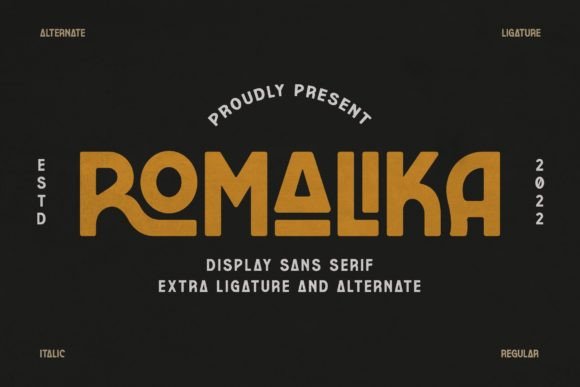
Romalika is a serif typeface that blends modern and classic aesthetics into a single, versatile font. Its refined strokes and balanced structure make it ideal for editorial design, where visual appeal meets readability. Whether you're crafting a magazine cover, designing a blog header, or developing a brand identity, Romalika offers a timeless look that enhances the overall tone of your content.
The font’s elegant curves and subtle contrast between thick and thin strokes give it a sophisticated feel. It works well in both digital and print formats, making it a reliable choice for publishers, bloggers, and designers who need a professional yet approachable typeface. Romalika’s unique style allows it to stand out while maintaining a level of refinement that suits a wide range of projects.
Using Romalika in Editorial Design
Romalika excels in editorial layouts where visual hierarchy and aesthetic consistency are essential. Its strong presence makes it an excellent choice for headings, subheadings, and pull quotes. When used in magazine covers or book titles, it adds a touch of luxury that aligns with high-end branding. For blogs and newsletters, it can elevate the look of article headers, creating a more engaging reading experience.
In ebook design, Romalika can be used for chapter openers or section dividers, helping to guide readers through content while maintaining a cohesive visual language. For printable materials like worksheets, planners, or guides, its legibility ensures that information remains clear even when printed on paper.
Romalika for Branding and Content Identity
For brands looking to establish a strong visual identity, Romalika offers a consistent and recognizable style. It can be used across multiple touchpoints—website headers, social media graphics, or packaging design—to create a unified brand presence. Its serif nature gives it a traditional feel, which can be particularly effective for lifestyle, fashion, or luxury-oriented publications.
When paired with a clean sans serif font for body text, Romalika becomes even more powerful. This combination allows for a clear distinction between headlines and paragraphs, improving readability without sacrificing style. For example, a recipe ebook could use Romalika for title pages and section headings, while a simpler font handles the ingredient lists and instructions.
Practical Applications of Romalika
Romalika is especially useful for content creators who want to add a premium feel to their work. A wedding guide might use it for cover text and key sections, reinforcing the event’s elegance. A coaching workbook could feature it in chapter titles and motivational quotes, helping to inspire readers. In a digital magazine, it can be used for article titles and featured sections, drawing attention and guiding the reader’s eye through the layout.
For a lifestyle blog, Romalika can be used in post headers and quote graphics, adding a touch of sophistication that complements the content. In a printable planner, it can enhance the visual appeal of daily prompts and goal-setting sections, making the material more engaging for users.
Readability and Cross-Platform Performance
Despite its decorative elements, Romalika maintains good legibility on screens, in PDFs, and on mobile devices. Its open letterforms and balanced spacing ensure that it remains readable even at smaller sizes. For print projects, its sharp details and consistent stroke weights make it suitable for high-quality output, whether in a magazine or a brochure.
When using Romalika for longer text, it’s best to pair it with a more neutral typeface. As a display font, it shines in short bursts—such as headlines, captions, or emphasis text—where its visual impact can be fully appreciated. For extended reading, consider using it sparingly to avoid overwhelming the reader.
Font Pairing and Stylistic Options
Romalika offers a range of stylistic alternates, ligatures, and weights, allowing for greater flexibility in design. These features can be used to customize the font for specific projects, ensuring that it fits the tone and purpose of the content. For instance, a script font might be paired with Romalika for a handwritten touch, while a sans serif font can provide a modern contrast for navigation or captions.
Designers should also check the font’s multilingual support if working with international audiences. Romalika’s comprehensive character set ensures that it can be used across different languages without compromising quality. This makes it a valuable asset for global publications or multilingual content strategies.
Commercial Licensing and Usage
When using Romalika for commercial projects—such as ebooks, templates, printables, or client work—it’s important to verify the licensing terms. Most premium fonts allow for use in published materials, but restrictions may apply to certain applications. Always review the font’s license agreement to ensure compliance, especially when distributing digital products or working with clients.
Romalika’s versatility and aesthetic appeal make it a valuable addition to any designer’s toolkit. Whether you’re working on a blog, magazine, or brand project, it provides a refined and professional look that enhances the overall quality of your content.